Typographic
adjective
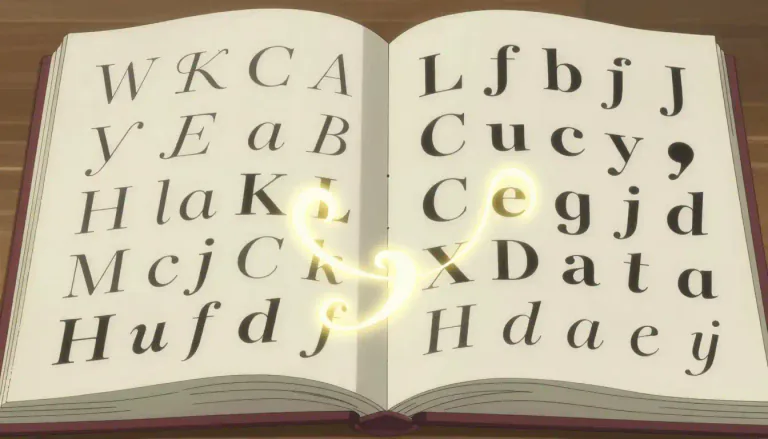
Relating to the style, arrangement, or appearance of printed letters on a page.
The typographic design of the book was modern and eye-catching.
Usage tips
Formal
typographic elements, typographic layout, typographic style
adjective
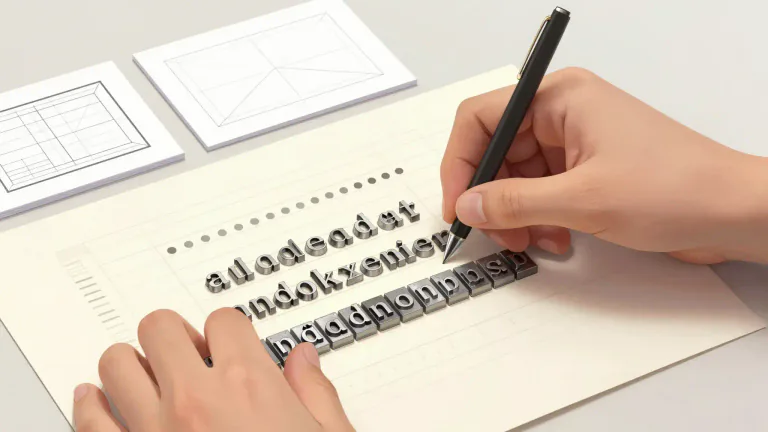
Referring to the art and craft of selecting and arranging type in order to make written language legible, readable, and visually appealing.
The website’s typographic choices improved user engagement.
Usage tips
Neutral
typographic choices, typographic hierarchy, typographic contrast
adjective
Relating to the style, arrangement, or appearance of printed letters on a page.
The typographic design of the book was modern and eye-catching.
Usage tips
Formal
typographic elements, typographic layout, typographic style
adjective
Referring to the art and craft of selecting and arranging type in order to make written language legible, readable, and visually appealing.
The website’s typographic choices improved user engagement.
Usage tips
Neutral
typographic choices, typographic hierarchy, typographic contrast
Definition 1 of 2
 Pro Tip 1/3
Context
Consider the context in which you use typographic elements; they should reflect the message of your design.
In an advertisement, bold typography can emphasize key points.
Pro Tip 2/3Audience
Think about the audience; different fonts can evoke different emotions or responses.
A playful font might be effective for a children's book but not for a legal document.
Pro Tip 3/3Cultural References
Be aware of cultural differences in typography; some styles may carry specific connotations in different societies.
Western typography varies from traditional Asian calligraphy.
Pro Tip 1/3Context
Consider the context in which you use typographic elements; they should reflect the message of your design.
In an advertisement, bold typography can emphasize key points.
Pro Tip 2/3Audience
Think about the audience; different fonts can evoke different emotions or responses.
A playful font might be effective for a children's book but not for a legal document.
Pro Tip 3/3Cultural References
Be aware of cultural differences in typography; some styles may carry specific connotations in different societies.
Western typography varies from traditional Asian calligraphy.
Pro Tip 1/3Context
Consider the context in which you use typographic elements; they should reflect the message of your design.
In an advertisement, bold typography can emphasize key points.
Pro Tip 2/3Audience
Think about the audience; different fonts can evoke different emotions or responses.
A playful font might be effective for a children's book but not for a legal document.
Pro Tip 3/3Cultural References
Be aware of cultural differences in typography; some styles may carry specific connotations in different societies.
Western typography varies from traditional Asian calligraphy.
Never forget "Typographic"
Humans forget easily. That's why you should download WordUp: Smart reminders, word games, AI practice, and much more!





WordUp Chrome Extension
As you browse the web instantly look up words you don’t know.
Get Chrome Extension