Somnolence
noun
The state of feeling sleepy or wanting to sleep.
After a heavy lunch, he fell into a state of somnolence that lasted for several hours.

Often appears as...
- a state of somnolence
- fell into somnolence
Usage tips
Formal
noun
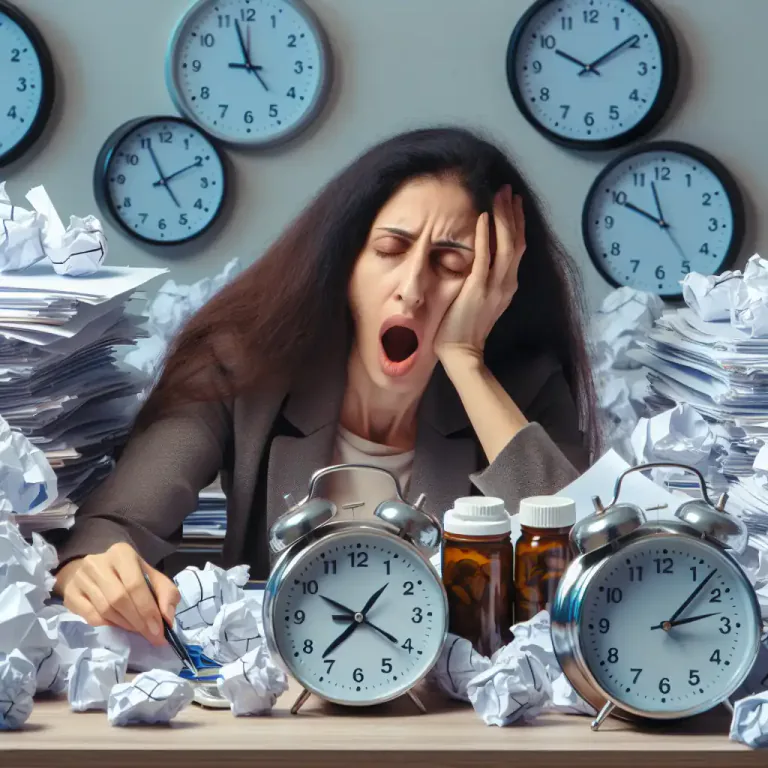
An abnormal and excessive desire to sleep during the day.
The medicine might cause side effects such as nausea, dizziness, and somnolence.
Often appears as...
- experience somnolence
- complain of somnolence
Usage tips
Formal
Technical
noun
The state of feeling sleepy or wanting to sleep.
After a heavy lunch, he fell into a state of somnolence that lasted for several hours.
Often appears as...
- a state of somnolence
- fell into somnolence
Usage tips
Formal
noun
An abnormal and excessive desire to sleep during the day.
The medicine might cause side effects such as nausea, dizziness, and somnolence.
Often appears as...
- experience somnolence
- complain of somnolence
Usage tips
Formal
Technical
Definition 1 of 2
 Pro Tip 1/3
Common Usage
Somnolence is often used to describe temporary sleepiness, especially after eating or during monotonous activities.

The seminar's audience battled somnolence after the uninspiring speech.
Pro Tip 2/3Not Just Tired
Somnolence implies a stronger urge to sleep than just being tired; it's a step closer to actually sleeping.

His somnolence was so intense that he nodded off while standing on the train.
Pro Tip 3/3Descriptive Imagery
Use somnolence to vividly depict a scene where someone is struggling to stay awake.

She fought somnolence as the lecturer's voice faded into a monotonous drone.
Pro Tip 1/3Common Usage
Somnolence is often used to describe temporary sleepiness, especially after eating or during monotonous activities.
The seminar's audience battled somnolence after the uninspiring speech.
Pro Tip 2/3Not Just Tired
Somnolence implies a stronger urge to sleep than just being tired; it's a step closer to actually sleeping.
His somnolence was so intense that he nodded off while standing on the train.
Pro Tip 3/3Descriptive Imagery
Use somnolence to vividly depict a scene where someone is struggling to stay awake.
She fought somnolence as the lecturer's voice faded into a monotonous drone.
Pro Tip 1/3Common Usage
Somnolence is often used to describe temporary sleepiness, especially after eating or during monotonous activities.
The seminar's audience battled somnolence after the uninspiring speech.
Pro Tip 2/3Not Just Tired
Somnolence implies a stronger urge to sleep than just being tired; it's a step closer to actually sleeping.
His somnolence was so intense that he nodded off while standing on the train.
Pro Tip 3/3Descriptive Imagery
Use somnolence to vividly depict a scene where someone is struggling to stay awake.
She fought somnolence as the lecturer's voice faded into a monotonous drone.
Never forget "Somnolence"
Humans forget easily. That's why you should download WordUp: Smart reminders, word games, AI practice, and much more!




Quote examples
Pam Brown
British Writer
A cat can maintain a position of curled up somnolence on your knee until you are nearly upright. To the last minute she hopes your conscience will get the better of you and you will settle down again.

Quote examples
John McAfee
American Businessman
America is in a state of somnolence. It's an avoidance of paranoia through ignoring reality.

Quote examples
Pam Brown
British Writer
A cat can maintain a position of curled up somnolence on your knee until you are nearly upright. To the last minute she hopes your conscience will get the better of you and you will settle down again.
Quote examples
John McAfee
American Businessman
America is in a state of somnolence. It's an avoidance of paranoia through ignoring reality.
Example 1 of 2

WordUp Chrome Extension
As you browse the web instantly look up words you don’t know.
Get Chrome Extension