Shogun
noun
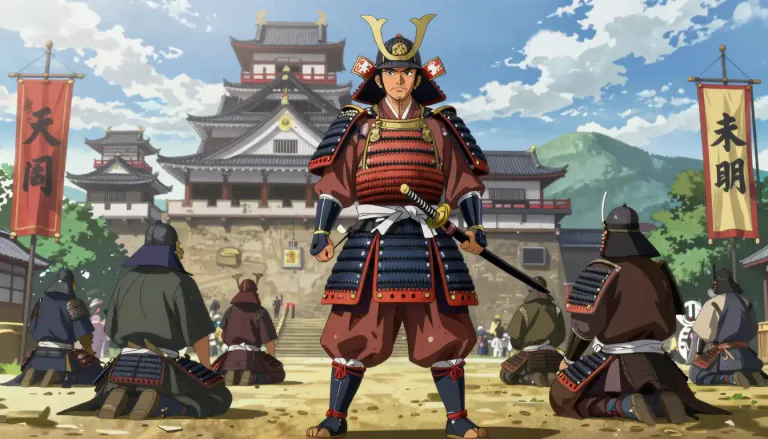
A military leader in Japan from 1192 to 1867. The shogun was the most powerful person in the country.
The shogun Tokugawa Ieyasu established a long period of peace in Japan.
Often appears as...
- shogun dynasty
- shogun rule
Usage tips
Historical
noun
A visibly powerful figure who has not officially been given power, but behaves as if they have it.
The CEO delegated most of his authority to his assistant. She's become the shogun of the company.

Often appears as...
- shogun of the boardroom
- corporate shogun
Usage tips
Disapproving
Colloquial, Metaphoric
noun
A military leader in Japan from 1192 to 1867. The shogun was the most powerful person in the country.
The shogun Tokugawa Ieyasu established a long period of peace in Japan.
Often appears as...
- shogun dynasty
- shogun rule
Usage tips
Historical
noun
A visibly powerful figure who has not officially been given power, but behaves as if they have it.
The CEO delegated most of his authority to his assistant. She's become the shogun of the company.
Often appears as...
- shogun of the boardroom
- corporate shogun
Usage tips
Disapproving
Colloquial, Metaphoric
Definition 1 of 2
 Pro Tip 1/3
Historical Role
Shogun were military rulers, not just any leaders, with strong samurai connections.
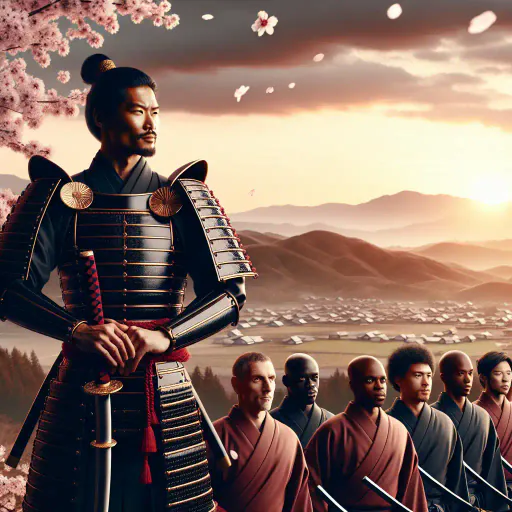
The shogun commanded armies like a general.
Pro Tip 2/3Not Emperor
Shogun were distinct from emperors; they held real power, while emperors were symbolic.
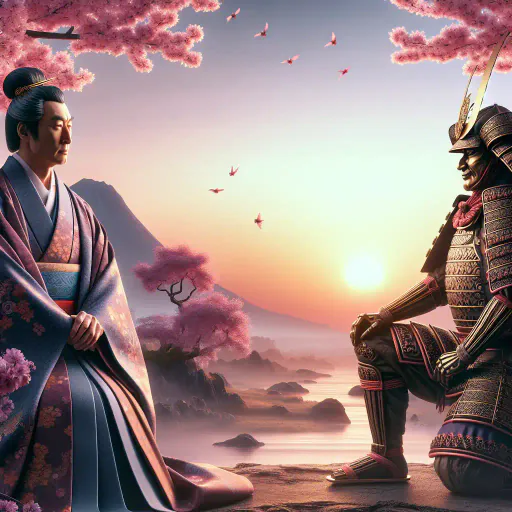
Despite being an emperor, he had less influence than the shogun.
Pro Tip 3/3Cultural Importance
Knowledge of shoguns is crucial to understanding Japanese history and literary references.
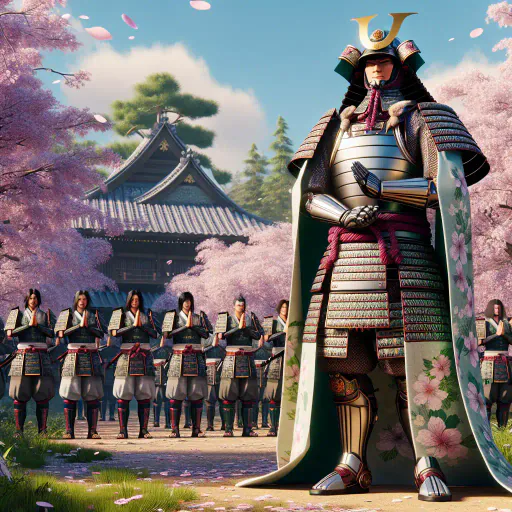
Many historical novels feature a shogun as a central figure.
Pro Tip 1/3Historical Role
Shogun were military rulers, not just any leaders, with strong samurai connections.
The shogun commanded armies like a general.
Pro Tip 2/3Not Emperor
Shogun were distinct from emperors; they held real power, while emperors were symbolic.
Despite being an emperor, he had less influence than the shogun.
Pro Tip 3/3Cultural Importance
Knowledge of shoguns is crucial to understanding Japanese history and literary references.
Many historical novels feature a shogun as a central figure.
Pro Tip 1/3Historical Role
Shogun were military rulers, not just any leaders, with strong samurai connections.
The shogun commanded armies like a general.
Pro Tip 2/3Not Emperor
Shogun were distinct from emperors; they held real power, while emperors were symbolic.
Despite being an emperor, he had less influence than the shogun.
Pro Tip 3/3Cultural Importance
Knowledge of shoguns is crucial to understanding Japanese history and literary references.
Many historical novels feature a shogun as a central figure.
Never forget "Shogun"
Humans forget easily. That's why you should download WordUp: Smart reminders, word games, AI practice, and much more!




Video examples
A day in the life of a...
and walks to school. His father is preparing to accompany the daimyo to the capital. The Tokugawa shogun, head of the Japanese military government, requires all the regional rulers to alternate years between their castle town in the home domain and the capital city.
Video examples
A day in the life of a...
and walks to school. His father is preparing to accompany the daimyo to the capital. The Tokugawa shogun, head of the Japanese military government, requires all the regional rulers to alternate years between their castle town in the home domain and the capital city.
Example 1 of 1
Quote examples
Wanderlei Silva
Brazilian Mixed Martial Artist
Shogun is the most talented guy I've ever seen.

Quote examples
Wanderlei Silva
Brazilian Mixed Martial Artist
Shogun is the most talented guy I've ever seen.
Example 1 of 1

WordUp Chrome Extension
As you browse the web instantly look up words you don’t know.
Get Chrome Extension