Pollinator
noun
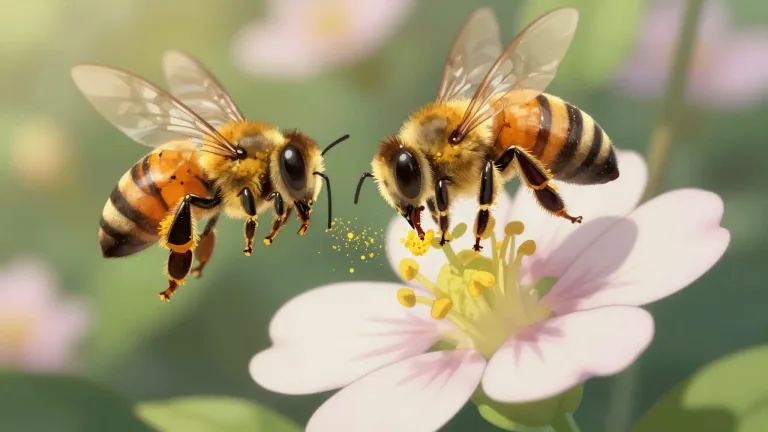
A pollinator is an animal, such as a bee or butterfly, that moves pollen from one flower to another while feeding on nectar, which helps plants reproduce.
Bees are important pollinators for many crops, ensuring the production of fruits and vegetables.
Usage tips
Neutral
bee pollinator,flower pollinator,important pollinators
noun
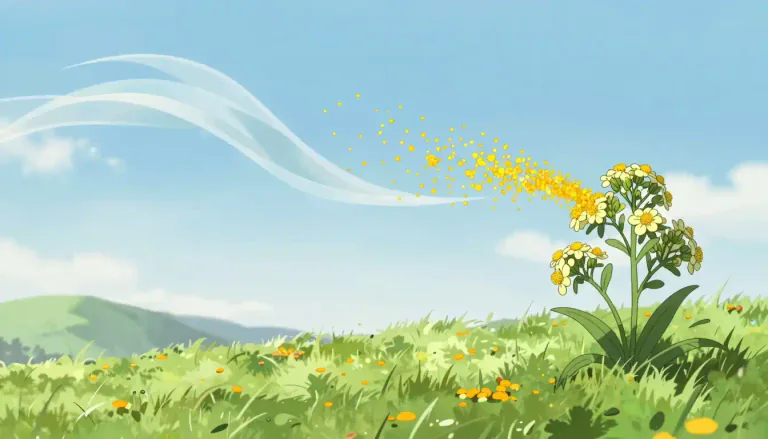
In a broader sense, a pollinator can refer to any factor contributing to the reproduction of plants, including wind or water.
The wind acts as a pollinator for some plants, effectively transferring pollen from one to another.
Usage tips
Neutral
wind pollination,water pollination,animal pollination
noun
A pollinator is an animal, such as a bee or butterfly, that moves pollen from one flower to another while feeding on nectar, which helps plants reproduce.
Bees are important pollinators for many crops, ensuring the production of fruits and vegetables.
Usage tips
Neutral
bee pollinator,flower pollinator,important pollinators
noun
In a broader sense, a pollinator can refer to any factor contributing to the reproduction of plants, including wind or water.
The wind acts as a pollinator for some plants, effectively transferring pollen from one to another.
Usage tips
Neutral
wind pollination,water pollination,animal pollination
Definition 1 of 2
 Pro Tip 1/3
Context
Pollinators are essential in ecosystems, contributing to biodiversity and food production.
Example: Without pollinators, many plants would struggle to reproduce.
Pro Tip 2/3Environmental Importance
Recognizing the role of pollinators can lead to better conservation practices.
Example: Preserving habitats for pollinators is crucial for ecological health.
Pro Tip 3/3Food Production
Pollinators are vital for agriculture, as they increase crop yields.
Example: Farmers often plant flowering plants to attract pollinators.
Pro Tip 1/3Context
Pollinators are essential in ecosystems, contributing to biodiversity and food production.
Example: Without pollinators, many plants would struggle to reproduce.
Pro Tip 2/3Environmental Importance
Recognizing the role of pollinators can lead to better conservation practices.
Example: Preserving habitats for pollinators is crucial for ecological health.
Pro Tip 3/3Food Production
Pollinators are vital for agriculture, as they increase crop yields.
Example: Farmers often plant flowering plants to attract pollinators.
Pro Tip 1/3Context
Pollinators are essential in ecosystems, contributing to biodiversity and food production.
Example: Without pollinators, many plants would struggle to reproduce.
Pro Tip 2/3Environmental Importance
Recognizing the role of pollinators can lead to better conservation practices.
Example: Preserving habitats for pollinators is crucial for ecological health.
Pro Tip 3/3Food Production
Pollinators are vital for agriculture, as they increase crop yields.
Example: Farmers often plant flowering plants to attract pollinators.
Never forget "Pollinator"
Humans forget easily. That's why you should download WordUp: Smart reminders, word games, AI practice, and much more!





WordUp Chrome Extension
As you browse the web instantly look up words you don’t know.
Get Chrome Extension