Mastodon
noun
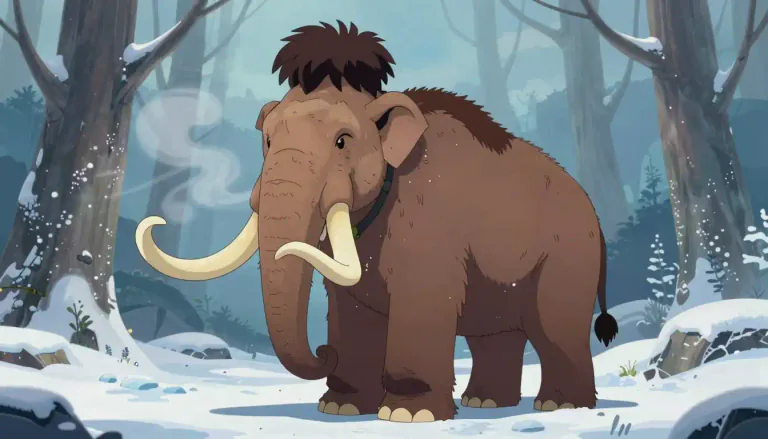
A large, extinct mammal similar to an elephant, which lived during the late Pleistocene epoch and is characterized by long, curved tusks and a shaggy coat.
The mastodon once roamed the forests of North America, fascinating scientists with its size and unique features.
Usage tips
Neutral
prehistoric mammals,extinct species,Pleistocene fauna
noun
A large, extinct mammal similar to an elephant, which lived during the late Pleistocene epoch and is characterized by long, curved tusks and a shaggy coat.
The mastodon once roamed the forests of North America, fascinating scientists with its size and unique features.
Usage tips
Neutral
prehistoric mammals,extinct species,Pleistocene fauna
Definition 1 of 1
 Pro Tip 1/3
Contextual Usage
Mastodons are often used as a symbol for extinction related to human impact on species.
The extinction of the mastodon is studied to understand modern conservation issues.
Pro Tip 2/3Metaphorical Significance
When describing an outdated idea or technology, calling it a 'mastodon' implies it is large and obsolete.
His views on technology are mastodon-like, showing how far behind he is in innovation.
Pro Tip 3/3Comparative Understanding
Mastodons differ from their relatives, such as mammoths and modern elephants, in their physical characteristics and habitat preferences.
In the debate over prehistoric animals, while mastodons lived in forested areas, woolly mammoths thrived in tundra environments.
Pro Tip 1/3Contextual Usage
Mastodons are often used as a symbol for extinction related to human impact on species.
The extinction of the mastodon is studied to understand modern conservation issues.
Pro Tip 2/3Metaphorical Significance
When describing an outdated idea or technology, calling it a 'mastodon' implies it is large and obsolete.
His views on technology are mastodon-like, showing how far behind he is in innovation.
Pro Tip 3/3Comparative Understanding
Mastodons differ from their relatives, such as mammoths and modern elephants, in their physical characteristics and habitat preferences.
In the debate over prehistoric animals, while mastodons lived in forested areas, woolly mammoths thrived in tundra environments.
Pro Tip 1/3Contextual Usage
Mastodons are often used as a symbol for extinction related to human impact on species.
The extinction of the mastodon is studied to understand modern conservation issues.
Pro Tip 2/3Metaphorical Significance
When describing an outdated idea or technology, calling it a 'mastodon' implies it is large and obsolete.
His views on technology are mastodon-like, showing how far behind he is in innovation.
Pro Tip 3/3Comparative Understanding
Mastodons differ from their relatives, such as mammoths and modern elephants, in their physical characteristics and habitat preferences.
In the debate over prehistoric animals, while mastodons lived in forested areas, woolly mammoths thrived in tundra environments.
Never forget "Mastodon"
Humans forget easily. That's why you should download WordUp: Smart reminders, word games, AI practice, and much more!





WordUp Chrome Extension
As you browse the web instantly look up words you don’t know.
Get Chrome Extension