Genotoxicity
noun
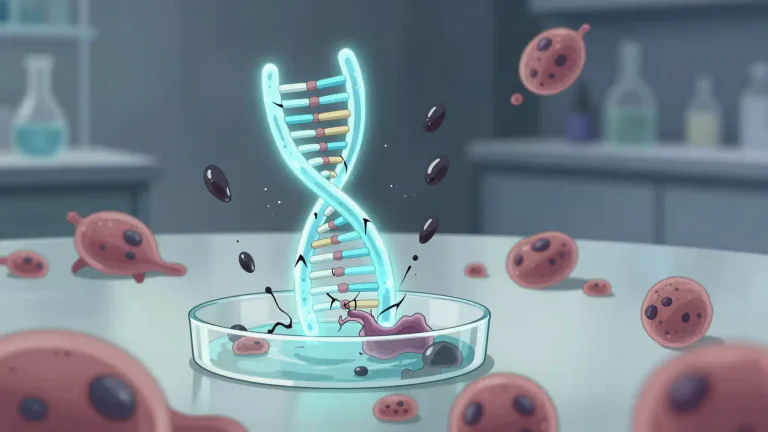
Genotoxicity is the ability of certain chemicals or agents to cause damage to DNA, leading to mutations and various diseases, including cancer.
Certain industrial chemicals have been tested for their genotoxicity to determine their safety in workplaces.
Often appears as...
- genotoxicity assessment
- genotoxicity study
Usage tips
Formal
genotoxic substances, genetic damage, DNA repair
noun
Genotoxicity is the ability of certain chemicals or agents to cause damage to DNA, leading to mutations and various diseases, including cancer.
Certain industrial chemicals have been tested for their genotoxicity to determine their safety in workplaces.
Often appears as...
- genotoxicity assessment
- genotoxicity study
Usage tips
Formal
genotoxic substances, genetic damage, DNA repair
Definition 1 of 1
 Pro Tip 1/3
Understanding Context
Genotoxicity is often discussed in scientific contexts, so it's important to recognize the specific studies or regulations being referred to.
Many people may confuse genotoxicity with carcinogenicity, but they are distinct concepts. Genotoxicity refers to genetic damage, whereas carcinogenicity relates to cancer induction.
Pro Tip 2/3Common Misunderstandings
Some might think that all substances with genotoxic properties are carcinogenic, which isn't always true. Many substances can cause genetic damage without leading to cancer.
While discussing toxic substances, ensure clarity to avoid fears over low-level exposures that may not result in significant harm.
Pro Tip 3/3Importance of Regulations
Regulatory agencies monitor and evaluate genotoxicity in chemicals used in consumer products to ensure safety.
Awareness of regulatory bodies like the FDA or EPA can help contextualize discussions about genotoxicity.
Pro Tip 1/3Understanding Context
Genotoxicity is often discussed in scientific contexts, so it's important to recognize the specific studies or regulations being referred to.
Many people may confuse genotoxicity with carcinogenicity, but they are distinct concepts. Genotoxicity refers to genetic damage, whereas carcinogenicity relates to cancer induction.
Pro Tip 2/3Common Misunderstandings
Some might think that all substances with genotoxic properties are carcinogenic, which isn't always true. Many substances can cause genetic damage without leading to cancer.
While discussing toxic substances, ensure clarity to avoid fears over low-level exposures that may not result in significant harm.
Pro Tip 3/3Importance of Regulations
Regulatory agencies monitor and evaluate genotoxicity in chemicals used in consumer products to ensure safety.
Awareness of regulatory bodies like the FDA or EPA can help contextualize discussions about genotoxicity.
Pro Tip 1/3Understanding Context
Genotoxicity is often discussed in scientific contexts, so it's important to recognize the specific studies or regulations being referred to.
Many people may confuse genotoxicity with carcinogenicity, but they are distinct concepts. Genotoxicity refers to genetic damage, whereas carcinogenicity relates to cancer induction.
Pro Tip 2/3Common Misunderstandings
Some might think that all substances with genotoxic properties are carcinogenic, which isn't always true. Many substances can cause genetic damage without leading to cancer.
While discussing toxic substances, ensure clarity to avoid fears over low-level exposures that may not result in significant harm.
Pro Tip 3/3Importance of Regulations
Regulatory agencies monitor and evaluate genotoxicity in chemicals used in consumer products to ensure safety.
Awareness of regulatory bodies like the FDA or EPA can help contextualize discussions about genotoxicity.
Never forget "Genotoxicity"
Humans forget easily. That's why you should download WordUp: Smart reminders, word games, AI practice, and much more!





WordUp Chrome Extension
As you browse the web instantly look up words you don’t know.
Get Chrome Extension