Dysgraphia
noun
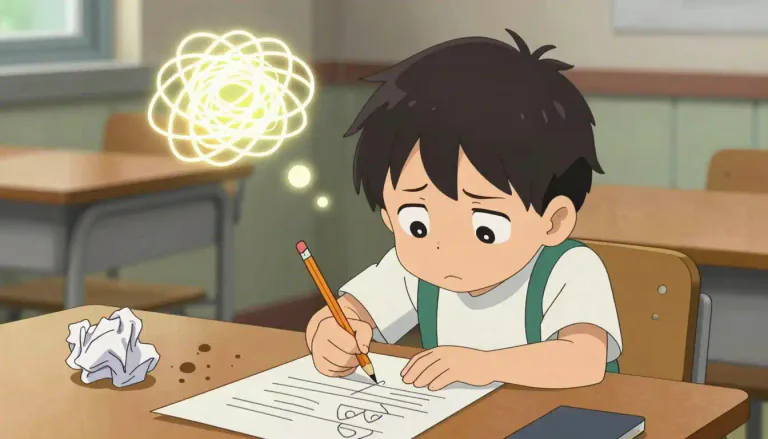
Dysgraphia is a learning disorder that primarily affects a person's handwriting ability, often making it difficult to write legibly or organize thoughts on paper.
Children with dysgraphia struggle to write neatly and may find it hard to express their ideas in writing.
Usage tips
Formal
motor skills challenges,writing difficulties,learning disability
noun
Dysgraphia is a learning disorder that primarily affects a person's handwriting ability, often making it difficult to write legibly or organize thoughts on paper.
Children with dysgraphia struggle to write neatly and may find it hard to express their ideas in writing.
Usage tips
Formal
motor skills challenges,writing difficulties,learning disability
Definition 1 of 1
 Pro Tip 1/3
Understanding Context
Dysgraphia is most relevant in educational contexts, especially for teachers and parents
Consider how you can adapt teaching methods for children demonstrating signs of dysgraphia.
Pro Tip 2/3Awareness of Nuances
While often associated with children, dysgraphia can also affect adults, making it important to recognize in different age groups
Keep an open dialogue with those affected to help them express their specific challenges.
Pro Tip 3/3Supportive Language
Using positive language when discussing dysgraphia can help reduce stigma and encourage individuals
Be mindful to focus on strengths rather than limitations.
Pro Tip 1/3Understanding Context
Dysgraphia is most relevant in educational contexts, especially for teachers and parents
Consider how you can adapt teaching methods for children demonstrating signs of dysgraphia.
Pro Tip 2/3Awareness of Nuances
While often associated with children, dysgraphia can also affect adults, making it important to recognize in different age groups
Keep an open dialogue with those affected to help them express their specific challenges.
Pro Tip 3/3Supportive Language
Using positive language when discussing dysgraphia can help reduce stigma and encourage individuals
Be mindful to focus on strengths rather than limitations.
Pro Tip 1/3Understanding Context
Dysgraphia is most relevant in educational contexts, especially for teachers and parents
Consider how you can adapt teaching methods for children demonstrating signs of dysgraphia.
Pro Tip 2/3Awareness of Nuances
While often associated with children, dysgraphia can also affect adults, making it important to recognize in different age groups
Keep an open dialogue with those affected to help them express their specific challenges.
Pro Tip 3/3Supportive Language
Using positive language when discussing dysgraphia can help reduce stigma and encourage individuals
Be mindful to focus on strengths rather than limitations.
Never forget "Dysgraphia"
Humans forget easily. That's why you should download WordUp: Smart reminders, word games, AI practice, and much more!





WordUp Chrome Extension
As you browse the web instantly look up words you don’t know.
Get Chrome Extension