Dipolar
adjective
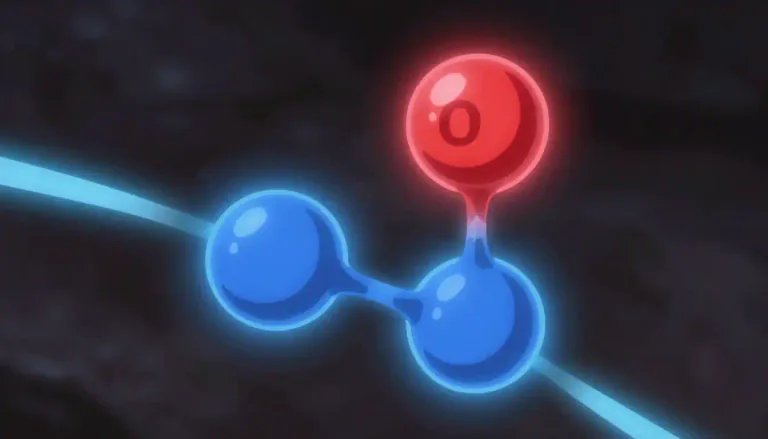
Relating to molecules or systems that have two opposite poles or charges.
Water is a dipolar molecule, which makes it an excellent solvent.
Usage tips
Formal
dipolar solvent,dipolar molecule,dipolar interaction
adjective
Describing aspects of systems or processes that possess two opposing characteristics.
The dipolar nature of the magnet affects how it attracts and repels other magnets.

Usage tips
Neutral
dipolar field,dipolar structure,dipolar relationship
adjective
Relating to molecules or systems that have two opposite poles or charges.
Water is a dipolar molecule, which makes it an excellent solvent.
Usage tips
Formal
dipolar solvent,dipolar molecule,dipolar interaction
adjective
Describing aspects of systems or processes that possess two opposing characteristics.
The dipolar nature of the magnet affects how it attracts and repels other magnets.
Usage tips
Neutral
dipolar field,dipolar structure,dipolar relationship
Definition 1 of 2
 Pro Tip 1/3
Scientific Usage
Understanding that 'dipolar' is primarily a scientific term can help in academic contexts.
In advanced chemistry discussions, the term 'dipolar' becomes essential. Consider the type of audience when using it.
Pro Tip 2/3Contrast with Non-Dipolar
Recognizing what dipolar is not (e.g., non-polar substances) can help clarify its meaning.
In chemistry, discussing differences between dipolar and non-polar solvents is common.
Pro Tip 3/3Use in Everyday Language
In casual discussions, using 'dipolar' to refer to electrical devices might be common.
If you mention 'dipolar' in everyday language, ensure your audience is aware of its context.
Pro Tip 1/3Scientific Usage
Understanding that 'dipolar' is primarily a scientific term can help in academic contexts.
In advanced chemistry discussions, the term 'dipolar' becomes essential. Consider the type of audience when using it.
Pro Tip 2/3Contrast with Non-Dipolar
Recognizing what dipolar is not (e.g., non-polar substances) can help clarify its meaning.
In chemistry, discussing differences between dipolar and non-polar solvents is common.
Pro Tip 3/3Use in Everyday Language
In casual discussions, using 'dipolar' to refer to electrical devices might be common.
If you mention 'dipolar' in everyday language, ensure your audience is aware of its context.
Pro Tip 1/3Scientific Usage
Understanding that 'dipolar' is primarily a scientific term can help in academic contexts.
In advanced chemistry discussions, the term 'dipolar' becomes essential. Consider the type of audience when using it.
Pro Tip 2/3Contrast with Non-Dipolar
Recognizing what dipolar is not (e.g., non-polar substances) can help clarify its meaning.
In chemistry, discussing differences between dipolar and non-polar solvents is common.
Pro Tip 3/3Use in Everyday Language
In casual discussions, using 'dipolar' to refer to electrical devices might be common.
If you mention 'dipolar' in everyday language, ensure your audience is aware of its context.
Never forget "Dipolar"
Humans forget easily. That's why you should download WordUp: Smart reminders, word games, AI practice, and much more!





WordUp Chrome Extension
As you browse the web instantly look up words you don’t know.
Get Chrome Extension