Dielectric
noun
A dielectric is a substance that is a poor conductor of electricity but an efficient supporter of electrostatic fields.
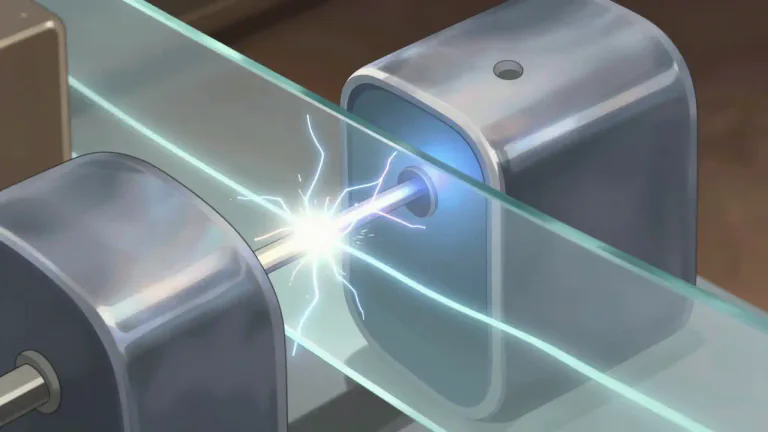
Glass is often used as a dielectric material in capacitors.
Usage tips
Technical
dielectric constant, dielectric strength, dielectric material
noun
A dielectric can also refer to a material that can be polarized by an external electric field, thus storing electrical energy.
The air can act as a dielectric in certain high-voltage applications.

Usage tips
Technical
dielectric breakdown, dielectric relaxation, dielectric losses
noun
A dielectric is a substance that is a poor conductor of electricity but an efficient supporter of electrostatic fields.
Glass is often used as a dielectric material in capacitors.
Usage tips
Technical
dielectric constant, dielectric strength, dielectric material
noun
A dielectric can also refer to a material that can be polarized by an external electric field, thus storing electrical energy.
The air can act as a dielectric in certain high-voltage applications.
Usage tips
Technical
dielectric breakdown, dielectric relaxation, dielectric losses
Definition 1 of 2
 Pro Tip 1/3
Context Usage
In scientific literature, 'dielectric' refers to materials in electrical engineering, mainly related to their electrical insulation properties.
Dielectric materials are crucial in capacitors in electronic devices.
Pro Tip 2/3Common Misconception
Many people confuse dielectrics with conductors, but they serve opposite functions in electrical applications.
Understanding this distinction is vital for studying circuits.
Pro Tip 3/3Cultural Relevance
In modern technology fields, dielectrics are pivotal in developing biomedical devices and telecommunications, impacting daily life.
Consider their role in smartphones and computers.
Pro Tip 1/3Context Usage
In scientific literature, 'dielectric' refers to materials in electrical engineering, mainly related to their electrical insulation properties.
Dielectric materials are crucial in capacitors in electronic devices.
Pro Tip 2/3Common Misconception
Many people confuse dielectrics with conductors, but they serve opposite functions in electrical applications.
Understanding this distinction is vital for studying circuits.
Pro Tip 3/3Cultural Relevance
In modern technology fields, dielectrics are pivotal in developing biomedical devices and telecommunications, impacting daily life.
Consider their role in smartphones and computers.
Pro Tip 1/3Context Usage
In scientific literature, 'dielectric' refers to materials in electrical engineering, mainly related to their electrical insulation properties.
Dielectric materials are crucial in capacitors in electronic devices.
Pro Tip 2/3Common Misconception
Many people confuse dielectrics with conductors, but they serve opposite functions in electrical applications.
Understanding this distinction is vital for studying circuits.
Pro Tip 3/3Cultural Relevance
In modern technology fields, dielectrics are pivotal in developing biomedical devices and telecommunications, impacting daily life.
Consider their role in smartphones and computers.
Never forget "Dielectric"
Humans forget easily. That's why you should download WordUp: Smart reminders, word games, AI practice, and much more!





WordUp Chrome Extension
As you browse the web instantly look up words you don’t know.
Get Chrome Extension