Classifier
noun
A word or morpheme used in some languages, along with a noun, to specify the count of objects/events.
In Chinese, we use classifiers to count different categories of objects, like 'ge' for people.
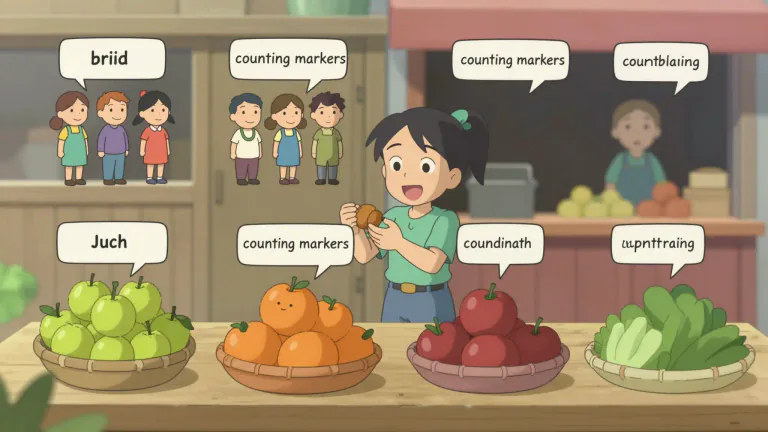
Often appears as...
- noun classifier
- count classifier
Usage tips
Academic
noun
A device, system or algorithm that separates or categorizes things based on set criteria.
The spam classifier filters out any junk emails based on certain patterns.

Often appears as...
- binary classifier
- pattern classifier
Usage tips
Technical
noun
A device that separates materials (like ores or grains) based on size, shape, or weight.
The sand classifier separates the sand from the gravel based on their sizes.

Often appears as...
- grit classifier
- air classifier
Usage tips
Technical
noun
A word or morpheme used in some languages, along with a noun, to specify the count of objects/events.
In Chinese, we use classifiers to count different categories of objects, like 'ge' for people.
Often appears as...
- noun classifier
- count classifier
Usage tips
Academic
noun
A device, system or algorithm that separates or categorizes things based on set criteria.
The spam classifier filters out any junk emails based on certain patterns.
Often appears as...
- binary classifier
- pattern classifier
Usage tips
Technical
noun
A device that separates materials (like ores or grains) based on size, shape, or weight.
The sand classifier separates the sand from the gravel based on their sizes.
Often appears as...
- grit classifier
- air classifier
Usage tips
Technical
Definition 1 of 3
 Pro Tip 1/3
Cultural Nuances
Understanding classifiers can reveal cultural significance; certain classifiers relate to respect or formality in use.

In Japanese, 'mai' denotes thin, flat objects like 'sheets of paper'.
Pro Tip 2/3Specificity Matters
Each classifier corresponds to a specific category of nouns; misusing them can cause confusion.

Use 'tiao' for long, narrow objects in Chinese, not for objects like 'books'.
Pro Tip 3/3Match Count and Noun
Always pair the noun with its correct classifier to accurately specify quantity in certain languages.

Saying 'three sticks of butter' instead of 'three pieces of butter'.
Pro Tip 1/3Cultural Nuances
Understanding classifiers can reveal cultural significance; certain classifiers relate to respect or formality in use.
In Japanese, 'mai' denotes thin, flat objects like 'sheets of paper'.
Pro Tip 2/3Specificity Matters
Each classifier corresponds to a specific category of nouns; misusing them can cause confusion.
Use 'tiao' for long, narrow objects in Chinese, not for objects like 'books'.
Pro Tip 3/3Match Count and Noun
Always pair the noun with its correct classifier to accurately specify quantity in certain languages.
Saying 'three sticks of butter' instead of 'three pieces of butter'.
Pro Tip 1/3Cultural Nuances
Understanding classifiers can reveal cultural significance; certain classifiers relate to respect or formality in use.
In Japanese, 'mai' denotes thin, flat objects like 'sheets of paper'.
Pro Tip 2/3Specificity Matters
Each classifier corresponds to a specific category of nouns; misusing them can cause confusion.
Use 'tiao' for long, narrow objects in Chinese, not for objects like 'books'.
Pro Tip 3/3Match Count and Noun
Always pair the noun with its correct classifier to accurately specify quantity in certain languages.
Saying 'three sticks of butter' instead of 'three pieces of butter'.
Never forget "Classifier"
Humans forget easily. That's why you should download WordUp: Smart reminders, word games, AI practice, and much more!




Video examples
How AI can enhance our...
When a doctor suspects cancer, they take a sample and send it to a pathologist, who looks at it under a microscope. Now, pathologists look at hundreds of slides and millions of cells every day. So to support this task, some researchers made an AI classifier.
Video examples
How AI can enhance our...
When a doctor suspects cancer, they take a sample and send it to a pathologist, who looks at it under a microscope. Now, pathologists look at hundreds of slides and millions of cells every day. So to support this task, some researchers made an AI classifier.
Example 1 of 1

WordUp Chrome Extension
As you browse the web instantly look up words you don’t know.
Get Chrome Extension