Derive from
verb
To originate or come from a certain source.
The English language derives from Latin and Greek.
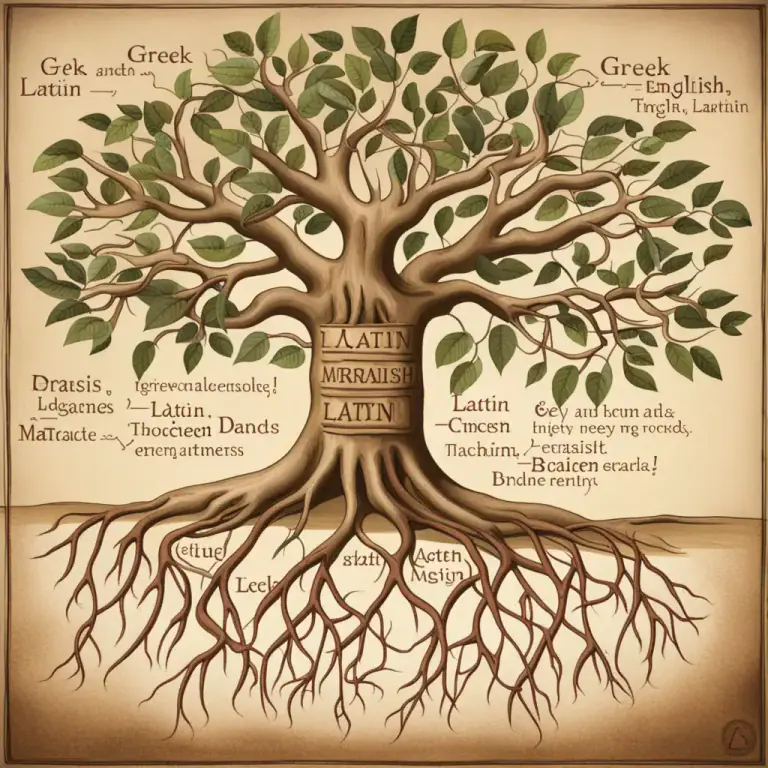
Often appears as...
- derive from a source
- derive from a cause
verb
To develop or evolve from an earlier state or form.
Modern birds derived from ancient reptiles.
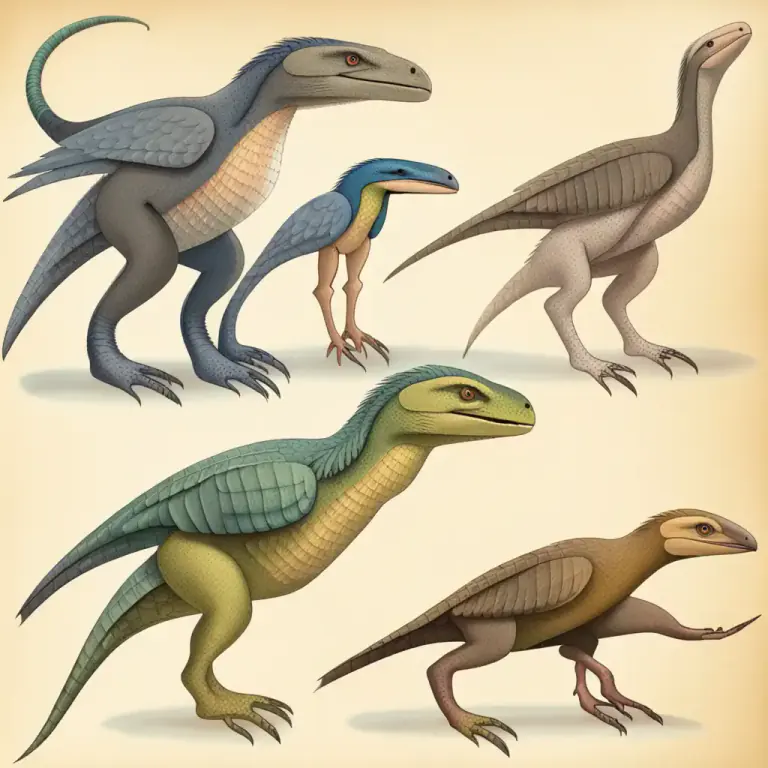
Often appears as...
- derive from an ancestor
- derive from a predecessor
verb
To obtain something from a certain source.
He derives his income from his investments.

Often appears as...
- derive pleasure from
- derive satisfaction from
verb
To base a concept or theory on a set of principles or ideas.
This theory is derived from the principles of economics.

Often appears as...
- derive a theory from
- derive an equation from
Usage tips
Academic
verb
To originate or come from a certain source.
The English language derives from Latin and Greek.
Often appears as...
- derive from a source
- derive from a cause
verb
To develop or evolve from an earlier state or form.
Modern birds derived from ancient reptiles.
Often appears as...
- derive from an ancestor
- derive from a predecessor
verb
To obtain something from a certain source.
He derives his income from his investments.
Often appears as...
- derive pleasure from
- derive satisfaction from
verb
To base a concept or theory on a set of principles or ideas.
This theory is derived from the principles of economics.
Often appears as...
- derive a theory from
- derive an equation from
Usage tips
Academic
Definition 1 of 4
 Pro Tip 1/2
Historical Origins
Use when discussing the historical roots or origins of languages, customs, or practices.

Many superstitions derive from ancient rituals.
Pro Tip 2/2Literal Sources
Suitable for literal or physical sources, not metaphorical or abstract ones.

Tea derives from the Camellia sinensis plant.
Pro Tip 1/2Historical Origins
Use when discussing the historical roots or origins of languages, customs, or practices.
Many superstitions derive from ancient rituals.
Pro Tip 2/2Literal Sources
Suitable for literal or physical sources, not metaphorical or abstract ones.
Tea derives from the Camellia sinensis plant.
Pro Tip 1/2Historical Origins
Use when discussing the historical roots or origins of languages, customs, or practices.
Many superstitions derive from ancient rituals.
Pro Tip 2/2Literal Sources
Suitable for literal or physical sources, not metaphorical or abstract ones.
Tea derives from the Camellia sinensis plant.
Never forget "Derive from"
Humans forget easily. That's why you should download WordUp: Smart reminders, word games, AI practice, and much more!





WordUp Chrome Extension
As you browse the web instantly look up words you don’t know.
Get Chrome Extension