Cochlea
noun
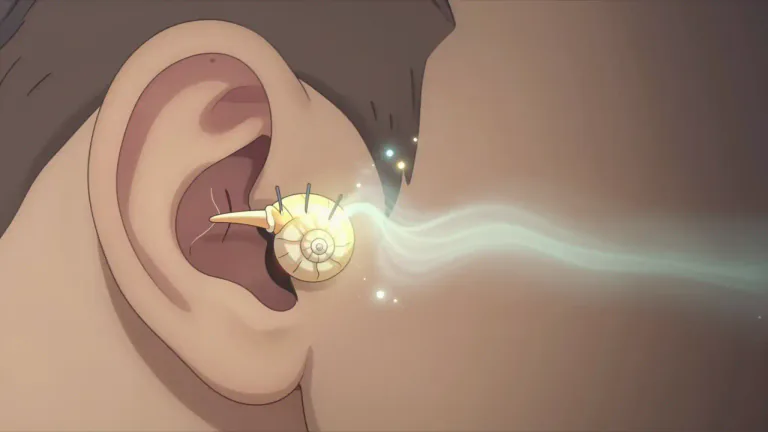
A part in the inner ear that looks like a little snail, helps in processing sound.
The damage to her cochlea was the cause of her hearing loss.
Often appears as...
- damage to cochlea
- cochlea implant
Usage tips
Technical
noun
A part in the inner ear that looks like a little snail, helps in processing sound.
The damage to her cochlea was the cause of her hearing loss.
Often appears as...
- damage to cochlea
- cochlea implant
Usage tips
Technical
Definition 1 of 1
 Pro Tip 1/3
Medical Context
The word 'cochlea' is used mostly by health professionals and people discussing ear-related issues.
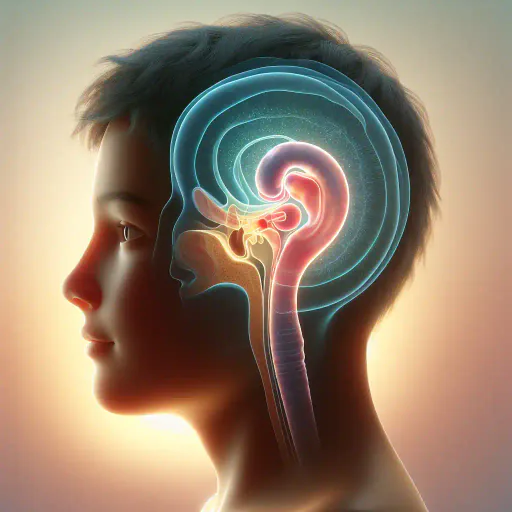
After studying the diagram, I better understood how the cochlea affects our hearing.
Pro Tip 2/3Not Visible
'Cochlea' refers to a part of the ear that you can't see without medical equipment.

Despite its small size and hidden location, the cochlea is crucial for hearing.
Pro Tip 3/3Pronunciation Clue
Pronounced 'kok-lee-uh', it may be confused with 'cochlear', which is related but not the same.
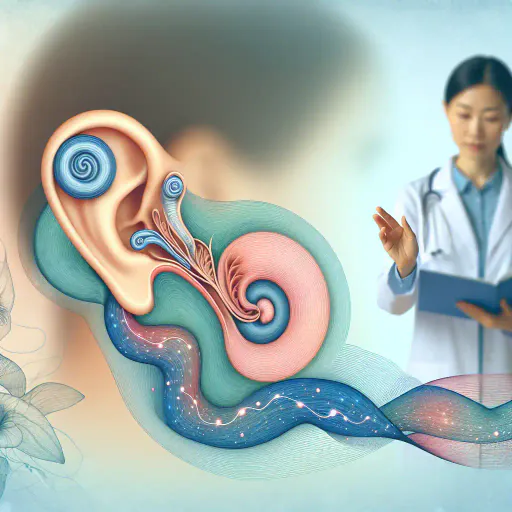
The doctor explained how vibrations travel through the cochlea.
Pro Tip 1/3Medical Context
The word 'cochlea' is used mostly by health professionals and people discussing ear-related issues.
After studying the diagram, I better understood how the cochlea affects our hearing.
Pro Tip 2/3Not Visible
'Cochlea' refers to a part of the ear that you can't see without medical equipment.
Despite its small size and hidden location, the cochlea is crucial for hearing.
Pro Tip 3/3Pronunciation Clue
Pronounced 'kok-lee-uh', it may be confused with 'cochlear', which is related but not the same.
The doctor explained how vibrations travel through the cochlea.
Pro Tip 1/3Medical Context
The word 'cochlea' is used mostly by health professionals and people discussing ear-related issues.
After studying the diagram, I better understood how the cochlea affects our hearing.
Pro Tip 2/3Not Visible
'Cochlea' refers to a part of the ear that you can't see without medical equipment.
Despite its small size and hidden location, the cochlea is crucial for hearing.
Pro Tip 3/3Pronunciation Clue
Pronounced 'kok-lee-uh', it may be confused with 'cochlear', which is related but not the same.
The doctor explained how vibrations travel through the cochlea.
Never forget "Cochlea"
Humans forget easily. That's why you should download WordUp: Smart reminders, word games, AI practice, and much more!




Video examples
A prosthetic eye to...
circuitry and the retina to get to the retinas output cells we can jump over the damaged circuitry in the in the cochlea to get the auditory nerve or jump over damaged areas and the cortex in the motor cortex to bridge the gap produced by a stroke okay so I just want to end with a simple message that understanding the code is really really important and if we can understand the
Video examples
Charles Limb: Building...
It's acoustic vibrations in the air, little waves of energy in the air that tickle our eardrum. Somehow in tickling our eardrum that transmits energy down our hearing bones, which get converted to a fluid impulse inside the cochlea and then somehow converted into an electrical signal in our auditory nerves
Video examples
Sheila Nirenberg: A...
damaged circuitry in the cochlea to get the auditory nerve, or jump over damaged areas in the cortex, in the motor cortex, to bridge the gap produced by a stroke. I just want to end with a simple message that understanding the code is really, really important, and if we
Video examples
What’s that ringing in...
Today, roughly one in seven people worldwide experiences this auditory sensation. So where does this persistent sound come from? When you normally hear something, sound waves hit various areas of your ear, creating vibrations that displace fluid inside the cochlea.
Video examples
Why you don’t like the...
it's a little partition that comes and protects your inner ear each time you produce a sound. So it also reduces what you hear. And then there is a third filter, it's a biological filter. Your cochlea -- it's a part of your inner ear that processes the sound --
Video examples
The science of hearing -...
To understand how that works, we can follow a sound on its journey into the ear. The source of a sound creates vibrations that travel as waves of pressure through particles in air, liquids, or solids. But our inner ear, called the cochlea,
Video examples
The beautiful,...
Now, to understand how the hair cell does its thing, one has to situate it within its environment within the ear. We learn in school that the organ of hearing is the coiled, snail-shaped cochlea. It's an organ about the size of a chickpea.
Video examples
Can loud music damage...
our ears have evolved to process vibrations in the air. These waves of air pressure enter our ear canals and bounce off the eardrum. A trio of bones called the ossicular chain then carries those vibrations into the cochlea,
Video examples
How technology has...
and I knew it was just a matter of time before my watch could show me sound, too. Did you know that hearing occurs in the brain? In your ear is a small organ called the cochlea,
Video examples
Hangovers vs. Health PIPE...
the problem is deep inside the ear the fragile sensory hairs in the cochlea or
Video examples
A prosthetic eye to...
circuitry and the retina to get to the retinas output cells we can jump over the damaged circuitry in the in the cochlea to get the auditory nerve or jump over damaged areas and the cortex in the motor cortex to bridge the gap produced by a stroke okay so I just want to end with a simple message that understanding the code is really really important and if we can understand the
Video examples
Charles Limb: Building...
It's acoustic vibrations in the air, little waves of energy in the air that tickle our eardrum. Somehow in tickling our eardrum that transmits energy down our hearing bones, which get converted to a fluid impulse inside the cochlea and then somehow converted into an electrical signal in our auditory nerves
Video examples
Sheila Nirenberg: A...
damaged circuitry in the cochlea to get the auditory nerve, or jump over damaged areas in the cortex, in the motor cortex, to bridge the gap produced by a stroke. I just want to end with a simple message that understanding the code is really, really important, and if we
Video examples
What’s that ringing in...
Today, roughly one in seven people worldwide experiences this auditory sensation. So where does this persistent sound come from? When you normally hear something, sound waves hit various areas of your ear, creating vibrations that displace fluid inside the cochlea.
Video examples
Why you don’t like the...
it's a little partition that comes and protects your inner ear each time you produce a sound. So it also reduces what you hear. And then there is a third filter, it's a biological filter. Your cochlea -- it's a part of your inner ear that processes the sound --
Video examples
The science of hearing -...
To understand how that works, we can follow a sound on its journey into the ear. The source of a sound creates vibrations that travel as waves of pressure through particles in air, liquids, or solids. But our inner ear, called the cochlea,
Video examples
The beautiful,...
Now, to understand how the hair cell does its thing, one has to situate it within its environment within the ear. We learn in school that the organ of hearing is the coiled, snail-shaped cochlea. It's an organ about the size of a chickpea.
Video examples
Can loud music damage...
our ears have evolved to process vibrations in the air. These waves of air pressure enter our ear canals and bounce off the eardrum. A trio of bones called the ossicular chain then carries those vibrations into the cochlea,
Video examples
How technology has...
and I knew it was just a matter of time before my watch could show me sound, too. Did you know that hearing occurs in the brain? In your ear is a small organ called the cochlea,
Video examples
Hangovers vs. Health PIPE...
the problem is deep inside the ear the fragile sensory hairs in the cochlea or
Example 1 of 10
Quote examples
Robert Barany
Austrian Scientist
The site of hearing was now known to be in the cochlea.

Quote examples
Robert Barany
Austrian Scientist
The site of hearing was now known to be in the cochlea.
Example 1 of 1

WordUp Chrome Extension
As you browse the web instantly look up words you don’t know.
Get Chrome Extension