Asa
noun
In Japanese, it means morning.
Asa ga kita.

Often appears as...
- ohayou gozaimasu
- asa ga kita
acronym
American Society of Anesthesiologists.
He is a member of the ASA.

Often appears as...
- asa member
- asa rating
Usage tips
Formal
Technical
noun
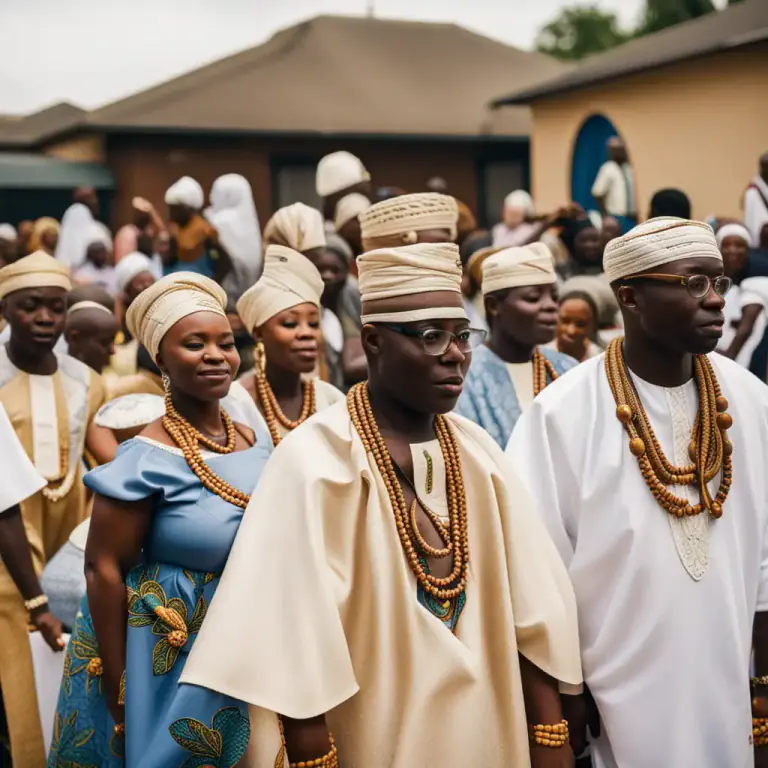
In Yoruba, it means culture or tradition.
Asa wa ni n gbe d'ede
Often appears as...
- asa wa
- asa yoruba
acronym
American Sociological Association.
Her paper was published by the ASA.

Often appears as...
- asa membership
- asa journal
Usage tips
Formal
Technical
noun
Name of a popular Nigerian female artist.
Have you listened to Asa's songs?

Often appears as...
- asa's songs
- asa's album
Usage tips
Colloquial
noun
In Japanese, it means morning.
Asa ga kita.
Often appears as...
- ohayou gozaimasu
- asa ga kita
acronym
American Society of Anesthesiologists.
He is a member of the ASA.
Often appears as...
- asa member
- asa rating
Usage tips
Formal
Technical
noun
In Yoruba, it means culture or tradition.
Asa wa ni n gbe d'ede
Often appears as...
- asa wa
- asa yoruba
acronym
American Sociological Association.
Her paper was published by the ASA.
Often appears as...
- asa membership
- asa journal
Usage tips
Formal
Technical
noun
Name of a popular Nigerian female artist.
Have you listened to Asa's songs?
Often appears as...
- asa's songs
- asa's album
Usage tips
Colloquial
Definition 1 of 5
 Pro Tip 1/3
Time of Day
Understand that 'asa' indicates a specific part of the day when mentioned in a Japanese context.

Asa ni Nihon-go wo benkyou suru. (I study Japanese in the morning.)
Pro Tip 2/3Common Greeting
'Ohayou gozaimasu' often follows 'asa' as part of a morning greeting in Japan.

Asa ga kita, ohayou gozaimasu! (Morning has come, good morning!)
Pro Tip 3/3Cultural Context
'Asa' implies more than time; it can reference activities or feelings specific to mornings in Japan.

Asa ga suki desu, shizuka de utsukushii. (I love the morning, it's quiet and beautiful.)
Pro Tip 1/3Time of Day
Understand that 'asa' indicates a specific part of the day when mentioned in a Japanese context.
Asa ni Nihon-go wo benkyou suru. (I study Japanese in the morning.)
Pro Tip 2/3Common Greeting
'Ohayou gozaimasu' often follows 'asa' as part of a morning greeting in Japan.
Asa ga kita, ohayou gozaimasu! (Morning has come, good morning!)
Pro Tip 3/3Cultural Context
'Asa' implies more than time; it can reference activities or feelings specific to mornings in Japan.
Asa ga suki desu, shizuka de utsukushii. (I love the morning, it's quiet and beautiful.)
Pro Tip 1/3Time of Day
Understand that 'asa' indicates a specific part of the day when mentioned in a Japanese context.
Asa ni Nihon-go wo benkyou suru. (I study Japanese in the morning.)
Pro Tip 2/3Common Greeting
'Ohayou gozaimasu' often follows 'asa' as part of a morning greeting in Japan.
Asa ga kita, ohayou gozaimasu! (Morning has come, good morning!)
Pro Tip 3/3Cultural Context
'Asa' implies more than time; it can reference activities or feelings specific to mornings in Japan.
Asa ga suki desu, shizuka de utsukushii. (I love the morning, it's quiet and beautiful.)
Never forget "Asa"
Humans forget easily. That's why you should download WordUp: Smart reminders, word games, AI practice, and much more!




Quote examples
Lawrence Osborne
British Novelist
Asa Briggs was a historian of class history, so he felt obligated to bring in his driver. That's the English class thing that is much weaker now.

Quote examples
Gary Ross
American Actor
The dynamic range of a digital camera is not that much greater than film, particularly if you push the ASA a little bit.

Quote examples
Ncuti Gatwa
Asa Butterfield is a big prankster.

Quote examples
Lawrence Osborne
British Novelist
Asa Briggs was a historian of class history, so he felt obligated to bring in his driver. That's the English class thing that is much weaker now.
Quote examples
Gary Ross
American Actor
The dynamic range of a digital camera is not that much greater than film, particularly if you push the ASA a little bit.
Quote examples
Ncuti Gatwa
Asa Butterfield is a big prankster.
Example 1 of 3

WordUp Chrome Extension
As you browse the web instantly look up words you don’t know.
Get Chrome Extension